
AI Adoption Hits 53% Globally in 2026: What It Means
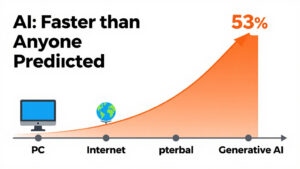
Many believe AI’s integration into daily life is a slow, gradual process. The data says otherwise: generative AI adoption reached 53% of the world’s population in just three years, far outstripping the internet’s early growth.
The Staggering Pace: How Generative AI Hit 53% Global Adoption in 3 Years
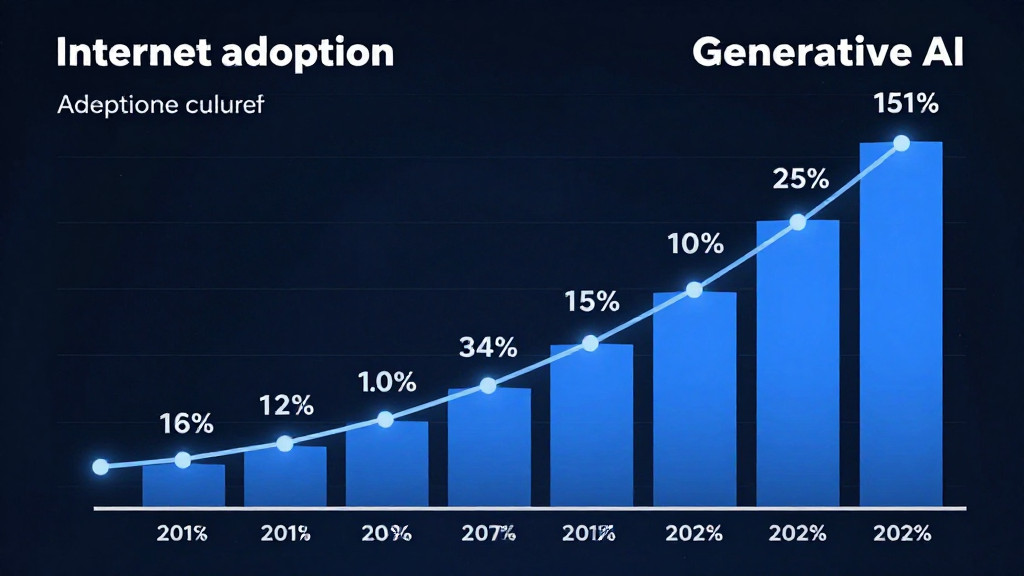
Direct answer: Generative AI has achieved 53% global population adoption within three years, a pace significantly faster than that of earlier transformative technologies like the personal computer or the internet.
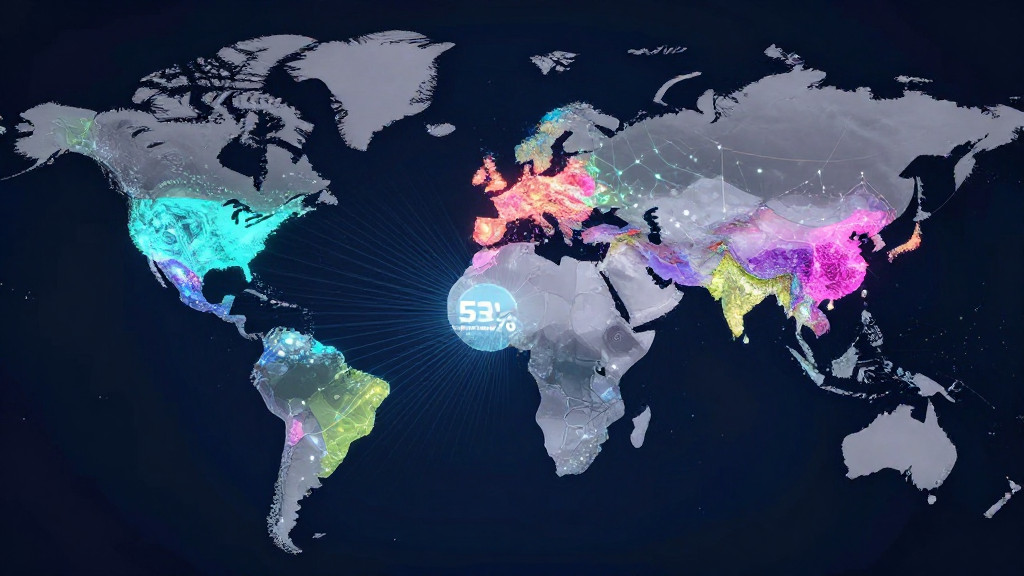
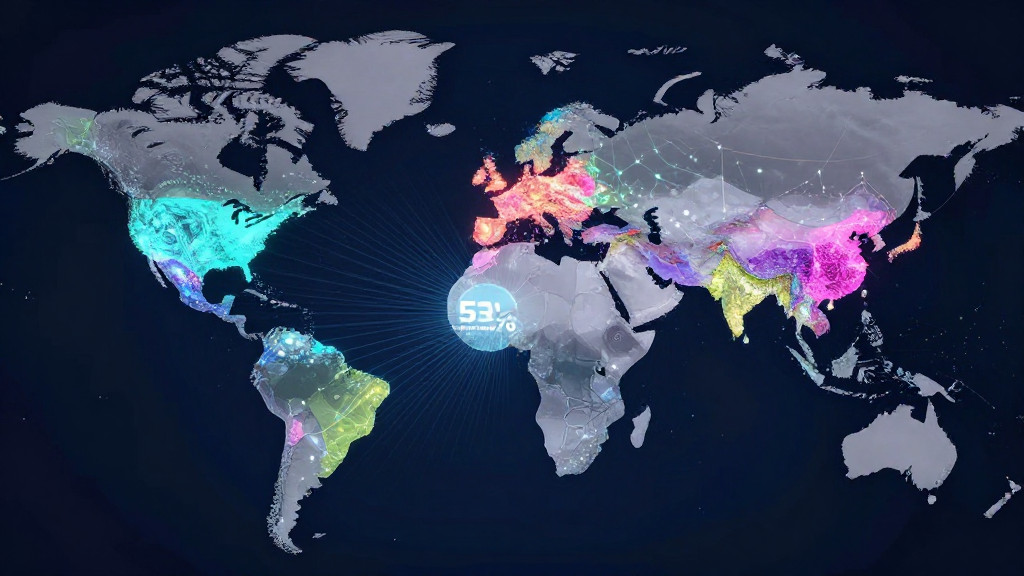
The speed at which generative AI tools have permeated everyday life is truly remarkable. While pundits once debated whether AI would ever move beyond niche applications, those discussions are now obsolete. According to the Stanford 2026 AI Index Report, generative AI has achieved a 53% population adoption rate in just three years. That’s an unprecedented trajectory.
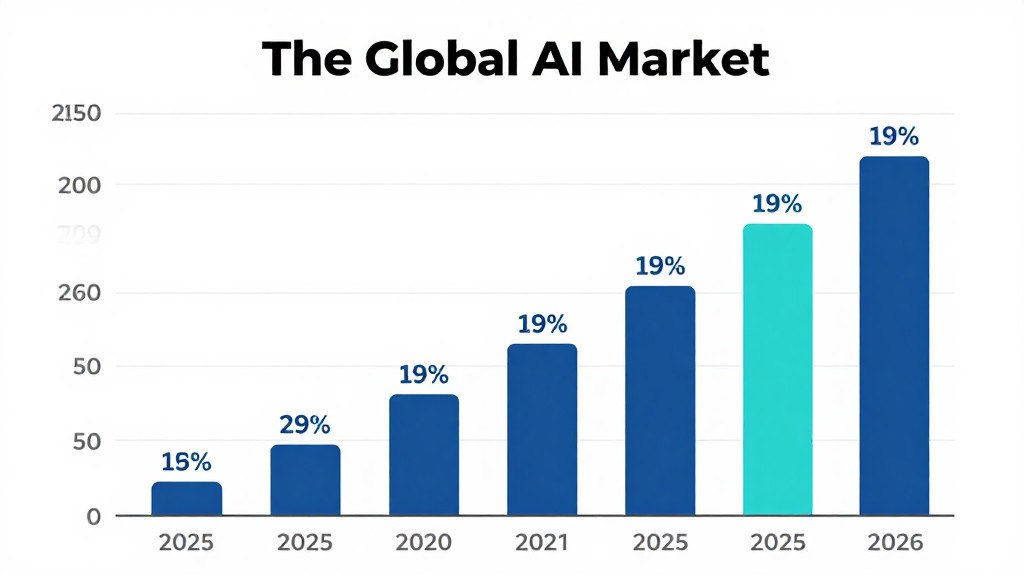
Take the internet; it took nearly a decade to reach a similar level of penetration. This accelerated timeline highlights a fundamental shift in how new technologies are embraced. An estimated 1.7 to 1.8 billion people worldwide now use AI tools monthly, a figure that underscores its widespread utility. The global AI market itself reflects this boom, reaching $514.5 billion in 2026, marking a 19% jump from $390.9 billion in 2025. This is a new norm.
Beyond the Hype: What the Stanford AI Index 2026 Really Says
Direct answer: The Stanford 2026 AI Index Report confirms the 53% AI adoption figure and reveals critical insights into global spending, demonstrating a narrowing performance gap despite significant investment disparities between major nations.
What does “53% adoption” actually mean in practical terms? It’s not just about casual use; it reflects a genuine integration into workflows and daily routines. The 53% AI adoption figure originates directly from the Stanford 2026 AI Index Report, a definitive source for tracking the industry’s pulse. This report meticulously details the growth, challenges, and regional variances of AI.
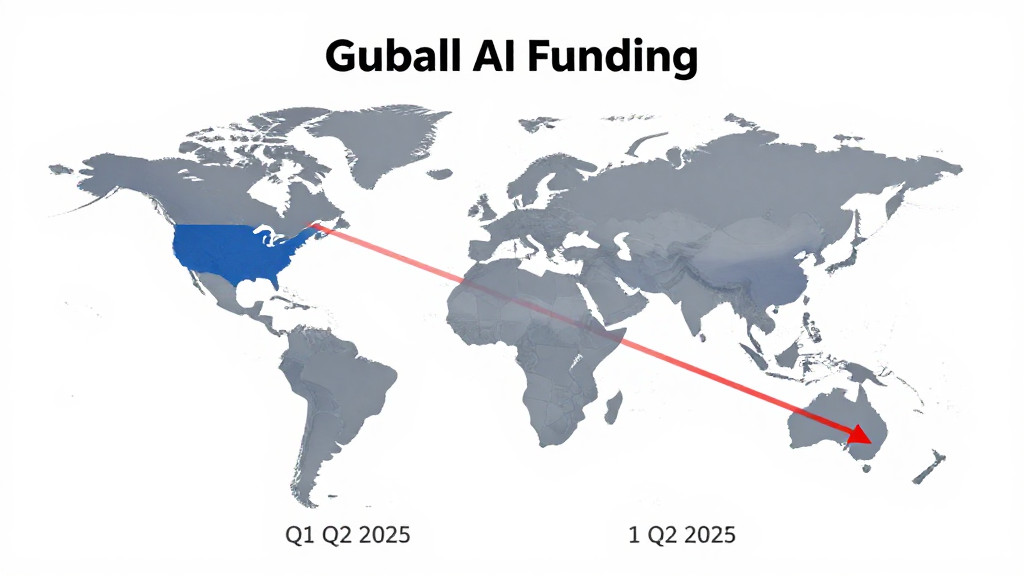
A fascinating detail from the report challenges preconceptions about global AI dominance. The US, for instance, spends 23x more than China on AI. Yet, the performance gap between them has narrowed to a mere 2.7%. This suggests that sheer investment isn’t the sole determinant of progress. Efficiency in research, rapid deployment, and strategic focus appear to be significant equalizers. Global AI funding also saw substantial activity, with $68.9 billion in Q1 2025, followed by $47.3 billion in Q2 2025.
Key Insight: The data implies that while R&D spend is crucial, practical application and innovation diffusion can rapidly close competitive gaps, even with vastly different resource allocations, highlighting the importance of strategic implementation over raw spending.
The US, for instance, spends 23x more than China on AI. Yet, the performance gap between them has narrowed to a mere 2.7%.
Who’s Leading & Who’s Lagging? Global AI Adoption by Country and Industry
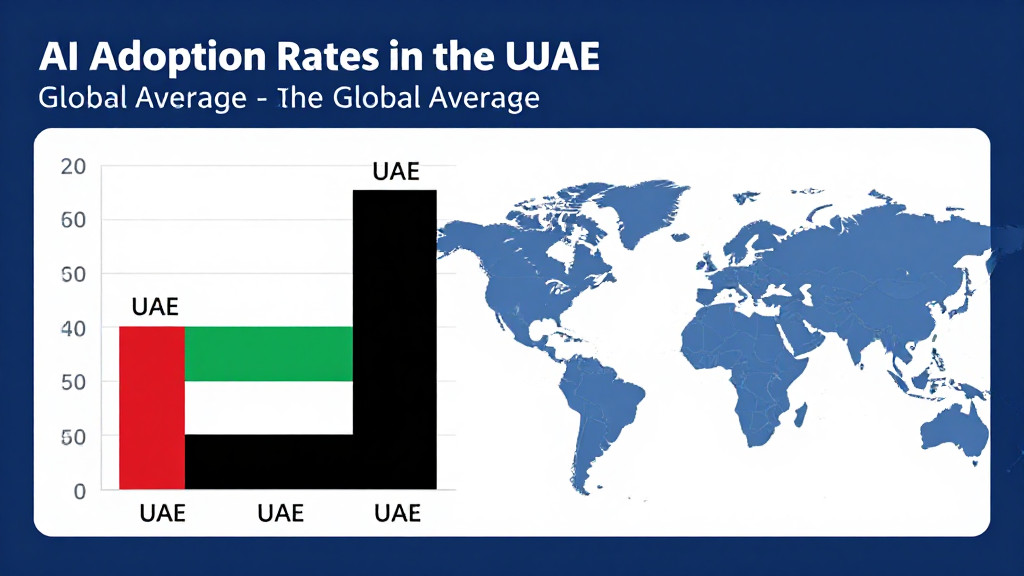
Direct answer: The UAE and Singapore lead global AI adoption with over 70% and 63% respectively, while overall 17.8% of working-age adults globally use AI regularly, contrasted by declining adoption in some large American businesses.
Regional leadership in AI adoption paints a surprising picture. While tech giants often dominate headlines, smaller, agile nations are setting the pace. The UAE, for example, leads the world with more than 70% AI adoption, according to the Microsoft AI Diffusion Report Q1 2026. Singapore follows closely at 63%. These figures aren’t accidental; they reflect proactive government policies, strong digital infrastructure, and a strategic embrace of emerging technologies, such as the UAE’s National AI Strategy 2031 and Singapore’s AI Singapore initiative.
Globally, 17.8% of working-age adults now use AI regularly. This indicates a significant, but still minority, portion of the workforce has integrated AI into their professional lives. However, an interesting counter-narrative emerges from the US market, where there’s been declining AI adoption in large American businesses. This decline isn’t necessarily a rejection of AI, but perhaps a signal of AI fatigue or a struggle with effective implementation at scale, particularly in sectors like traditional manufacturing and retail where integration challenges are higher.
Industry analysts tracking this space note that this disparity highlights varying levels of “AI readiness” – not just in terms of technical capability, but also organizational culture and strategic vision. The overlooked detail here is that successful adoption often hinges on internal change management, not just technology procurement.
The Human Element: Adapting to an AI-Driven World (Jobs, Skills, Ethics)
Direct answer: Rapid AI adoption sparks concerns about job displacement and the pace of human stewardship, yet it simultaneously creates new job opportunities and demands for evolving skill sets.
The rapid shift toward AI has inevitably brought concerns about its impact on jobs. Are the robots coming for everyone’s livelihood? While fears of AI replacing jobs are valid and widely discussed, the narrative is more nuanced than simple displacement. What we’re seeing is a transformation of roles, not always outright elimination. Consider AI automating routine tasks in customer service, leading to new roles like ‘AI trainers’ and ‘prompt engineers,’ while also increasing demand for data scientists and ethical AI specialists.
One of the most pressing controversies is the speed of AI outpacing human stewardship. As AI capabilities expand, the ethical frameworks and regulatory guidelines struggle to keep pace. This gap creates potential risks, from algorithmic bias to privacy breaches. How do we ensure responsible development? It requires continuous dialogue between technologists, ethicists, and policymakers.
Industry analysts tracking AI hiring data call the shift unprecedented — roles are transforming faster than in any previous technology cycle, current data shows. The real challenge isn’t preventing change, but preparing the workforce for it. This means focusing on continuous learning and reskilling initiatives.

What This Means For You: Navigating the AI Revolution
Direct answer: Navigating the AI revolution requires tailored strategies for different stakeholders, from enterprise leaders using AI for competitive advantage to developers pursuing specialized skill acquisition and decision-makers making informed investment choices.
The pervasive rise in AI adoption isn’t just a statistic; it’s a call to action for every professional sphere. Understanding its implications is crucial.
| Audience | Implications & Actionable Advice |
|---|---|
| Professionals/Enterprise Leaders | Focus on integrating AI for operational efficiency and competitive advantage. Implement pilot programs, prioritize skill development for existing teams, and explore agentic AI trends transforming business, such as automating routine tasks with AI assistants. |
| Developers/Practitioners | Seize opportunities in AI development, integration, and specialized skill acquisition. Deepen expertise in prompt engineering, model fine-tuning, and ethical AI deployment, particularly in areas like explainable AI and data privacy. |
| Decision-Makers/Buyers | Make informed choices on AI investments and vendor selection. Evaluate solutions based on ROI, scalability, and ethical compliance, considering the implications of a federal AI bill and your future, focusing on measurable business outcomes. |
The critical mistake many organizations make is viewing AI as a pure technology play. It’s a strategic organizational transformation. This means aligning AI initiatives with business goals and fostering a culture of experimentation.
FAQ on AI Adoption in 2026
What is the global AI adoption rate in 2026?
The global AI adoption rate for generative AI reached 53% of the population by 2026, as reported by the Stanford 2026 AI Index Report.
How fast is generative AI adoption compared to other technologies?
Generative AI adoption is significantly faster than previous technologies like the personal computer or the internet, achieving 53% population adoption in just three years.
Which countries are leading in AI adoption in 2026?
The UAE leads with over 70% AI adoption, followed by Singapore at 63%, according to the Microsoft AI Diffusion Report Q1 2026.
What are the main challenges of rapid AI adoption?
Main challenges include concerns about job displacement, the speed of AI outpacing human stewardship and ethical guidelines, and ensuring equitable access and responsible development.
How is AI adoption impacting the job market?
AI adoption is transforming, rather than simply replacing, jobs, leading to new opportunities and a strong demand for evolving skill sets focused on collaboration with AI and critical thinking.
The rapid global embrace of AI signals a profound shift in how we work, learn, and live. The question isn’t whether to adopt AI, but how to do so strategically and ethically. Leaders must recognize that this isn’t merely a technological upgrade but a fundamental reimagining of organizational processes and human capabilities. The biggest risk now isn’t adoption, but failing to adapt quickly enough.
You’ve explored the 2026 global adoption landscape, key regional leaders, and the essential strategies to remain competitive in an AI-first world.