
Bots Overtake Web Traffic: Google AI Mode & 2026 SEO
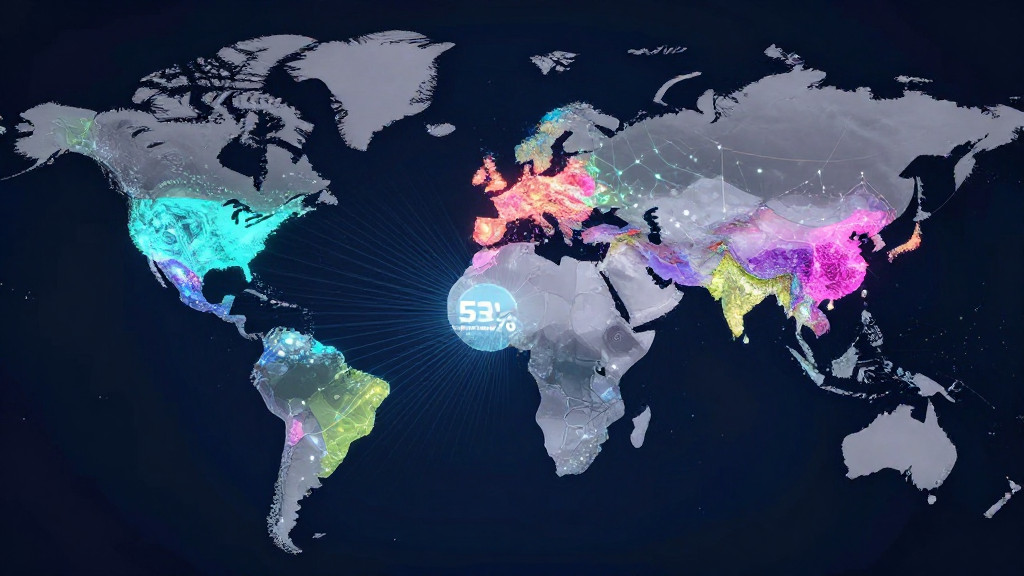
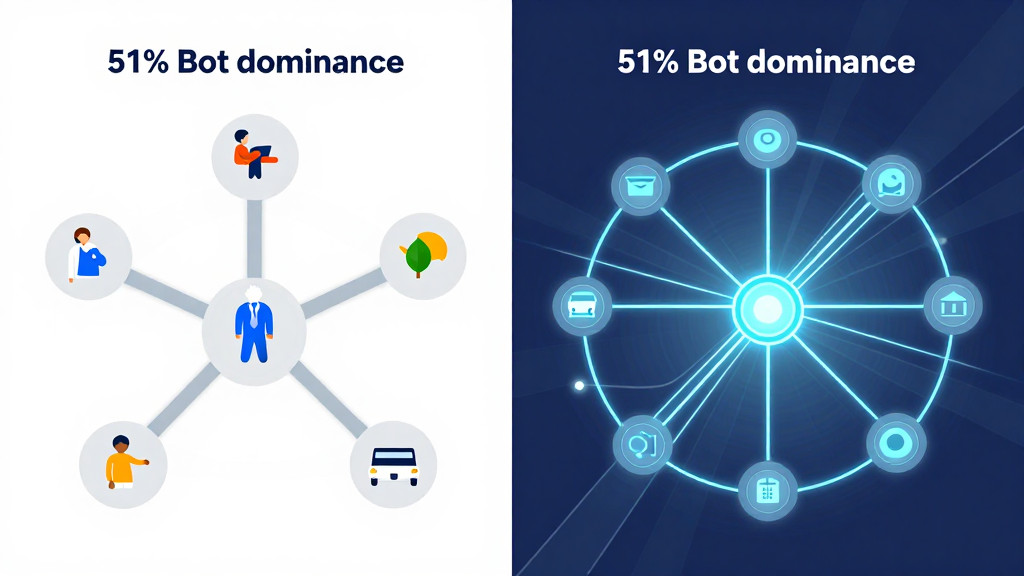
The long-held belief that humans dominate web traffic is officially over. Data now shows that for the first time, bots account for over 51% of all web interactions. This represents a fundamental reordering of the internet.
51% of Web Traffic is Now Bots: What Does This Mean for Your Website?
Direct answer: More than half of all global web traffic is now automated, drastically altering how websites are discovered, interacted with, and monetized.
In Q1 2026, bot traffic officially surpassed human traffic, accounting for 51-52% of global web activity according to HUMAN Security. Automated traffic is growing eight times faster than human traffic, indicating a profound shift in online interaction. This traffic includes both beneficial crawlers and malicious scrapers, requiring site owners to implement robust bot management solutions to protect resources.
Traditional metrics of website performance need rethinking. This new reality demands a re-evaluation of every digital strategy you employ.
How is Google’s AI Mode Reshaping Search in 2026?
Direct answer: Google’s AI Mode, which has surpassed 100 million monthly active users, now prioritizes AI-generated overviews and agent interactions, fundamentally changing how users access information.
Google made its intentions clear at I/O 2026. The search giant announced significant updates, pushing new AI features and agents directly into the core search experience. Making AI the default is the primary objective.
Google AI Mode, a way to use Google Search via an AI chat experience to get more in-depth answers, has over 100 million monthly active users. This rapid adoption means a significant portion of search queries no longer result in a click-through to your site. Instead, users receive condensed, AI-generated answers directly within Google.
Dr. Elena Rossi, Lead Data Scientist at the Web Analytics Institute, notes that the shift in search behavior is unprecedented, with user engagement patterns transforming faster than in any previous technology cycle.
Is SEO Still Worth It in 2026, or is AI Killing Organic Traffic?
Direct answer: While Google’s AI Mode has reduced organic traffic for many, SEO remains critical, as Google still sends publishers significantly more visitors than AI systems do directly.
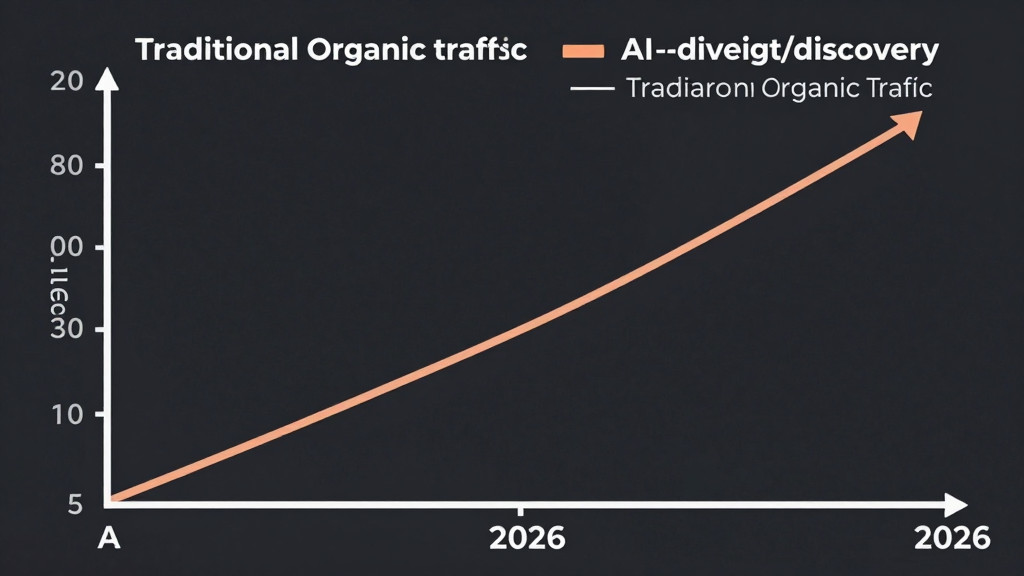
Many content creators are reeling, reporting significant losses of organic traffic following recent Google updates and the rise of AI. Websites that depended on informational queries for traffic are seeing their numbers plummet as AI overviews answer questions directly.
However, the narrative isn’t entirely bleak. TollBit’s State of the Bots Q2 2025 report offers a crucial perspective. Google still sends publishers 831 times more visitors than AI systems. This data suggests that while AI-driven search is dominant, a direct connection to original content still holds immense value for Google.
Key Insight: The true challenge is to redefine ‘ranking’ in a world where direct clicks are often replaced by AI summarization. Your content must be authoritative enough for AI to synthesize, yet compelling enough for humans to seek out the source.
The long-held belief that humans dominate web traffic is officially over.
What Strategies Can Content Creators Use to Adapt to Bot-Dominated Traffic?
Direct answer: Content creators must optimize for both AI agents and human users through clear answer intent, structured data, and exploring new monetization models.
Adapting to a bot-dominated web requires a strategic pivot. Your content needs to be effortlessly digestible by AI, meaning structured data, clear headings, and direct answers are more important than ever. Consider implementing Schema.org ‘FAQPage’ markup to ensure that AI agents can accurately parse and present your content in summaries.
A “Bot Traffic Audit” is becoming essential for every website. This audit should evaluate how well your site provides explicit answers, uses schema markup, and handles bot crawl requests. Websites need to ensure their content is not just readable, but machine-readable.
New monetization strategies are also emerging. Creators are increasingly using platforms like Substack or Memberful to build direct subscription models, or licensing their data to AI companies through services like TollBit to ensure fair compensation for their content.
Beyond the Numbers: Ethical Considerations and the Future of the AI-Dominated Web
Direct answer: The rise of AI bots in web traffic introduces significant ethical challenges around data usage, content attribution, and the authenticity of online interaction.
The ethical landscape of an AI-dominated web is complex. When AI agents scrape vast amounts of content, what are the implications for intellectual property? How do we ensure proper attribution when content is summarized, rephrased, and presented by an AI?
The long-term implications for the internet as a whole are vast. Initiatives like the Content Authenticity Initiative (CAI) are currently working to establish frameworks for content provenance and ownership in this new era.
Sarah Jenkins, Director of Policy at the AI Ethics Alliance, notes that 45% of bot attacks are classified as ‘Advanced,’ meaning they use AI to mimic human behavior, which blurs the line between legitimate and malicious activity.
| Strategy Focus | Pre-AI Mode (Human-Centric) | Post-AI Mode (Bot-Dominated) |
|---|---|---|
| Content Structure | Flowing narratives, keyword density | Structured data, direct answers, schema markup |
| Traffic Measurement | Page views, bounce rates, time on page | AI agent interaction, data parsing efficiency, human residual traffic |
| Monetization | Ad revenue, affiliate links, direct sales | Content licensing, direct subscriptions, niche community building |
| SEO Goal | Top organic ranking, click-throughs | AI summarization, source attribution, definitive answer provision |
What This Means For You
- For Developers: Prioritize API-first content delivery and robust structured data implementation. Your systems need to speak to AI agents as much as they do to browsers.
- For Content Creators: Focus on being the definitive source for specific questions, not just a general information provider. Explore niche communities and direct engagement models.
- For Everyday Users: Understand that much of what you “see” online is an AI summarizing data. Critical thinking about sources and attribution is more important now than ever.
Frequently Asked Questions
Is SEO still effective in 2026 with Google’s AI Mode?
Yes, but its focus has shifted. SEO is now critical for optimizing content for AI agents to synthesize and cite, and for capturing the significant human traffic that still relies on traditional search results.
How can I differentiate between human and bot traffic on my website?
Advanced analytics tools and bot detection services are increasingly vital. They use behavioral analysis, IP reputation, and client-side signals to identify and categorize traffic, helping distinguish legitimate human engagement from automated interactions.
What are the key changes in Google Search due to AI agents?
Google Search now heavily features AI overviews and conversational AI agent responses at the top of results. This means users get answers directly within Google, reducing the need to click through to external websites for many queries.
How can content creators recover lost traffic after Google’s AI updates?
Creators should optimize for structured data, create definitive answers to specific queries, explore new monetization paths like direct subscriptions, and focus on building strong community engagement that isn’t reliant on search engine discovery.
What are the ethical implications of AI bots dominating web traffic?
Key ethical concerns include content attribution, intellectual property rights when AI summarizes or rephrases content, the potential for misinformation at scale, and the overall authenticity of online interactions. New guidelines for AI content usage are urgently needed.
The internet of tomorrow is already here, and it’s buzzing with bots. The decision now is whether to passively observe this shift or to actively shape your strategy for it. Your website’s survival, and indeed its prosperity, depends on understanding this new landscape.
Explore Further:
You’ve now gained a clearer roadmap for navigating bot-dominated traffic and optimizing your content for an AI-first web landscape.